
Ecommerce filters make navigating your online store much easier for customers, and is a great way to improve your site’s ecommerce architecture. This article will explain everything you need to know about ecommerce search filters and how they can benefit your business. Follow our simple guide to make sure your ecommerce site is following the latest best practise, and is fully optimized for success.
What Are Product Filters?
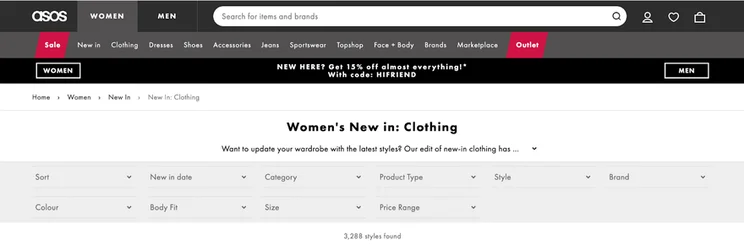
Product filters are a way of categorizing and sorting your inventory to ensure an easier user experience for visitors to your site. The most common filters you’ll have come across are price, popularity, and product type, but there are many more options to consider.
The most effective sites ensure that the ecommerce filters are easy to locate and navigate to. Ultimately, it’s all about anticipating the needs of your visitors, and making the process of finding a product as simple as possible.
Why Use Product Filters?
The most obvious benefit, as we’ve touched upon, is that the visitors to your site will be able to find the product they’re looking for much more quickly. A huge and unwieldy product range with little filtering or categorization is impossible to navigate. But on the flip side, a few carefully selected filters can help to quickly narrow down the range.
However, the benefits of using product filters go far beyond the user experience. When used most effectively, product filters can also make your ecommerce site more discoverable by strengthening your SEO. A well categorized and thought-out store following website navigation best practices is more likely to rank in Google search results.
Plus, using ecommerce filters effectively can also benefit your bottom line. They can help direct users to different areas of your site and encourage more purchases. By being intuitive and anticipating your visitor’s needs, you can help keep attracting customers to your online store time and time again.
Filter Best Practices + Examples
Consider Filter Location
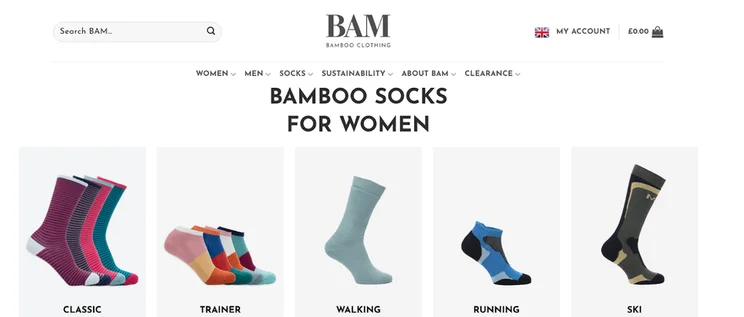
The location of product filters on your site is crucial – don’t hide them!
You should consider using them in a few locations, including prominently on the home page, within a menu or sidebar, and also within category pages to allow for more detailed filtering.
Find Out More
- Check out our pick of the top Website Navigation Examples for more inspiration.
Highlight Selected Filters
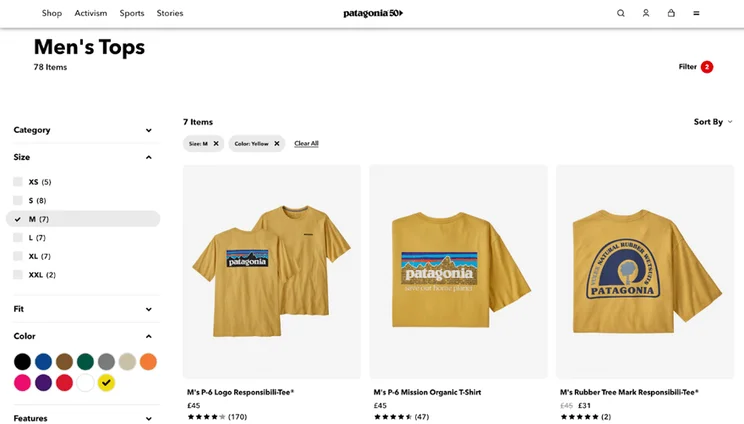
A 101 rule in UX is ensuring that it’s clear when an action has been made. You can use a check or highlight to signify which filters have been selected. Plus, a reminder of the filters in use at the top of the page, with the option to cancel them, can be very useful.
Allow For Multiple Filter Selection
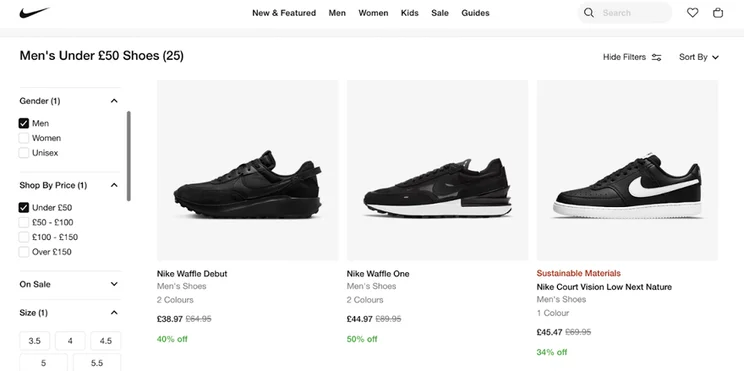
This tip is simple but often forgotten – ensure your users are able to select multiple filters at once. Imagine you’re hunting for an outfit for that wedding and you can’t decide between a jumpsuit or a dress … to help make the best decision, sometimes you need to be able to see more options.
Consider SEO
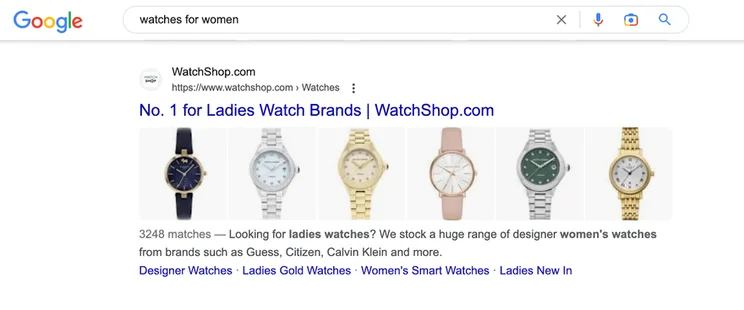
Filters can positively impact your site’s SEO, but only if they are set up properly. Ensure they are indexed correctly, and that the terms used accurately reflect the words your customers will be searching for. A combination of generic terms, such as product type, combined with unique terms such as brand names, can work best.
Find Out More
- What are the Benefits of Ecommerce SEO? We run through the top 10 benefits, from more traffic to building customer trust.
Filter Types
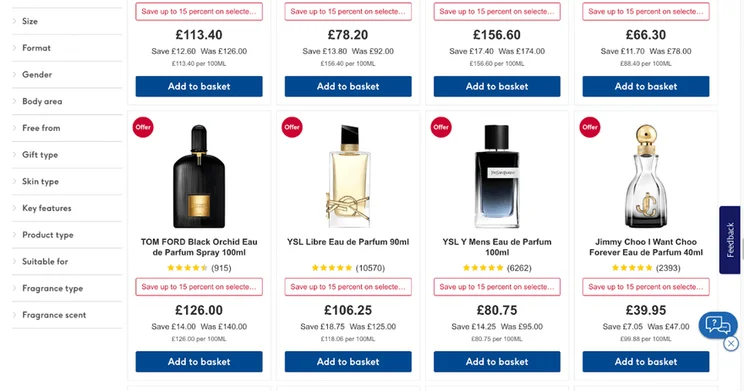
Size, color, price, style, specification, product type, release date, benefits, brand, user rating, sustainability credentials… the list goes on! Try to anticipate which filters will be most useful and relevant to visitors, and organize them accordingly.
Only Use Filters With Results
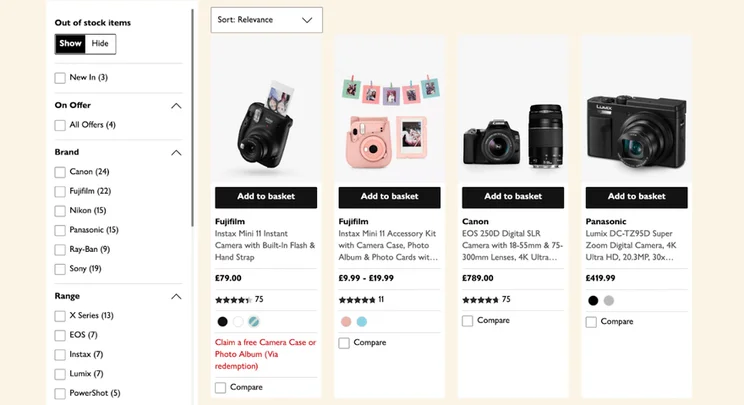
This can help to avoid the frustrating experience of meticulously selecting your desired filters, only to find that it narrows down to nothing. Another related point is to always indicate the quantity of results next to the filter. Plus, if the search is becoming too narrow, you could suggest items which are similar.
Summary
We hope this article has provided plenty of food for thought when it comes to ecommerce filters. They are simple and straightforward tools, but when used thoughtfully they can have huge benefits for the user, and ultimately increase your number of conversions.
Remember, when considering your ecommerce filters, think first and foremost about the user. What are their problems, requirements, and needs – and how can you help solve them?
The best websites, that users come back to time and again, are those which offer a seamless and intuitive customer experience. Implement some of the tips we’ve explained here, to help your visitors find your products – and fast.


0 comments