
As of 2025, around 20.5% of people globally use voice search. If you want to tap into this growing audience, voice search optimization is key. By making good use of your SEO basics, you can easily optimize your website for voice search and increase your overall traffic.
There are various methods you can use to optimize your website for voice search, which I’ll cover in more detail below. I’ll also be delving into how voice search optimization works, its benefits, and what technical considerations you’ll need to consider, too.
How Does Voice Search Optimization Work?
When audiences use voice search to look for something online, they’re likely to use a digital voice assistant to do so. This can be done using:
- Voice-activated devices – like Amazon smart speakers
- AI-powered apps – like Amazon Alexa, Google Assistant, or ChatGPT
- Search engines with voice search enabled – Like Google or Bing
Voice search optimization, then, is when you tailor your website’s content to increase the likelihood of it appearing in the results of a voice search.
To optimize your website effectively, you need to understand the types of search queries people are making via voice search. This will help you tweak your content in a way that reflects common speech patterns to reach wider audiences online.
🛍️ Want to see how voice search impacts online stores? Find out in our guide to voice commerce
Why Should You Care About Voice Search?
The customers you’re targeting won’t all behave in the same way online. To reach as many people as possible, your website should be optimized for a variety of consumer behaviors, which includes voice searches.
Though voice search still isn’t as popular as traditional search methods, it is rising in popularity. Here are a few stats to keep in mind:
- According to Statista, smart speaker shipments are expected to reach 122.5 million units by 2027, showcasing a growing consumer interest in voice search.
- A GWI study revealed that 27% of internet users have used voice-enabled tools on their mobile devices.
- In 2022, NPR and Edison Research found that 35% of all Americans over the age of 18 own a smart speaker. This reveals that different generations are adopting voice search tech in increasing numbers.
What Are the Benefits?
Once you’ve optimized your website for voice search, it’s likely that you’ll encounter significant business benefits. This might include:
- More brand awareness – If additional audiences can also find your website through voice search, you’re opening your business up to thousands of potential customers. The more effectively you’ve optimized your website for voice search, the more likely you are to be seen.
- Increased customer acquisition – Since voice search optimization leads to better visibility on search engines, you have a higher chance of reaching new customers—especially if your webpage promotes a key service or product they’re looking for!
- Improved website accessibility – Individuals that have difficulty using traditional input methods, such as typing or touching a screen, can use voice search to help. This also ensures that all kinds of users have easy access to your website.
- Enhanced user experiences – Voice search also keeps users happy, since it offers a more natural, convenient way for them to discover and interact with your business. There’s no need for them to scroll through menus, or strain their fingers with lots of typing and clicking.
How to Optimize for Voice Search in 7 Steps
It’s time for the fun part. Below, I’ve listed how to optimize for voice search in seven practical steps:
1. Take a Conversational Tone
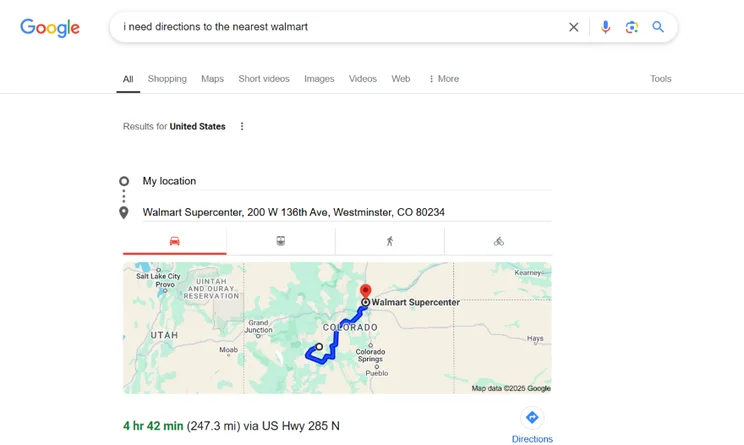
Voice queries are slightly different to standard search queries, since they take on a more conversational tone of voice. Let me share an example:
- Instead of typing in “best yoga classes Michigan,” someone using voice chat may say “what are the best yoga classes in Michigan?”
To reach more voice searchers, avoid using unnatural sounding words or phrases in your content. This includes language that sounds too jargon-heavy or formal, or any awkward phrases that don’t reflect natural sounding speech.
Notice that my example above featured a question?When creating content, think about the questions your audience might be asking their digital voice assistants. Cover any “who,” “what,” “when,” “where,” and “why” queries, and make sure your content answers them thoroughly. You can also use a tool like AlsoAsked to see what people are commonly asking.
2. Research Long-Tail Keywords
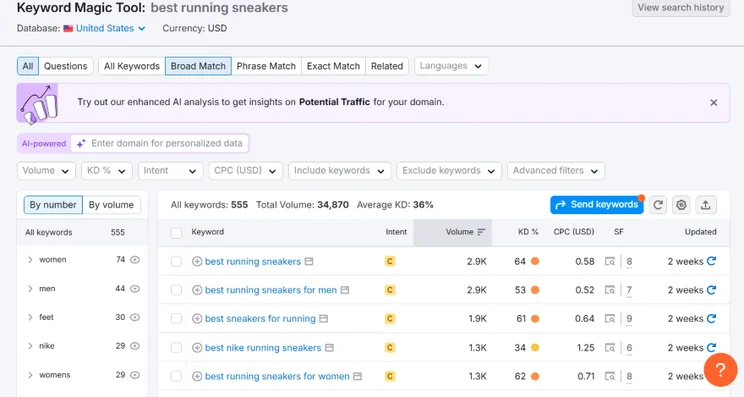
The length of traditional searches and voice searches are slightly different. Traditional searches tend to be shorter than voice searches, so you can use this knowledge to your advantage.
Longtail keywords—highly specific search terms that are often three to five words long— typically have lower search volumes than your average keywords. Because these keywords are longer, they often reflect more natural speech patterns.
When researching keywords, look out for these longtail keywords and see if you can naturally integrate them into your content for improved voice search optimization.
🤔 Need help looking for the right keywords? Our keyword research guide has everything you need to know
3. Carry Out Local SEO
Does your target audience consist of potential customers that are physically close to your business? If your audience uses queries like “where is the nearest coffee shop” or “what local delis are near me,” I recommend using local SEO to improve voice search optimization.
To boost your business’ visibility online, make sure that you’ve claimed a Google Business Profile first. Your account should be correct and up-to-date—especially the basic details, like your business name, contact details, and opening hours.
Afterward, you could also:
- Incorporate local keywords throughout your website’s content – Include the name of your city, region, or neighborhood in your website copy, meta tags, headings, and image alternative tags. This will help Google associate your website with local searches.
- Create localized content – This might include blogs, social media posts, or ebooks with a distinctly local flavor, potentially highlighting nearby events, attractions, or news related to your industry and brand, and that’s relevant to your target audiences.
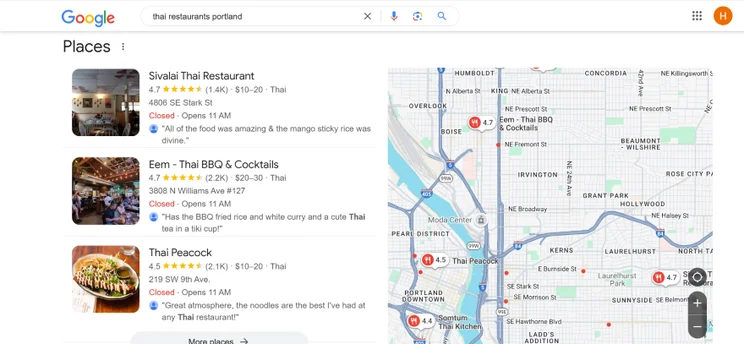
To reach more people, you should also make sure that you’re on the right promotional websites. Check that your business is listed accurately on relevant online directories and review sites. Consistency is key here, too. Seek out your business on sites like Yelp or TripAdvisor to ensure that your information is correct across all platforms.
4. Optimize for Mobile Devices
Many voice searchers will use mobile devices like smartphones, whether they’re chilling indoors or on the go, because of the speed and convenience of mobile voice search. Your website must be equipped to accommodate these searches.
To create a mobile-optimized website fit for voice search, here’s what you can do:
- Use a mobile-friendly design – Your website needs to be responsive on mobile devices, so regularly test its performance. Make sure that your website’s copy and imagery is clear, and your buttons react when tapped on.
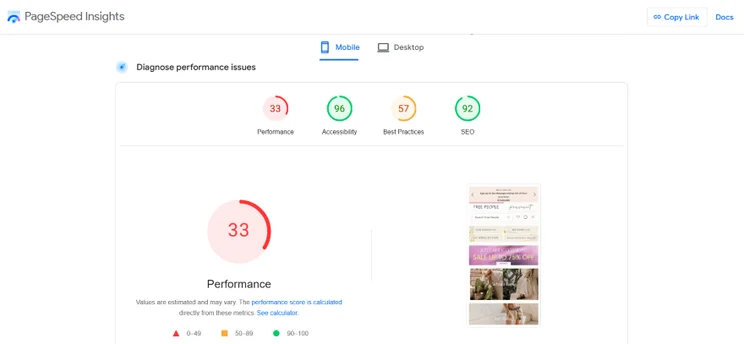
- Speed up your website – Use tools like Google’s PageSpeed Insights to check how fast your website is running. If you find room for improvement, check that your images are compressed, your hosting speeds are up to scratch, and you’re using browser caching.
🏃 Want some more insights into speedy websites? Refer to our website load time stats page
5. Format Your Content for Voice Search
Think carefully about how you format your content on a page. You need to arrange it in a way that provides searchers with clear, user-friendly answers to their voice queries. Here are some suggestions:
- Clearly organize your content, making use of H2 and H3 tags, numbered lists, and bullet points
- Don’t write huge, chunky paragraphs. Instead, only use a few sentences per paragraph
- Answer common questions as soon as possible, so readers don’t need to dig to find what they need
- Avoid complex language that might confuse readers
6. Improve Website Accessibility
For those with visual or mobility impairments, voice search is a necessity. Since many users need voice search for accessibility, it’s up to you to make sure that your website can accommodate these needs. Some practices to consider include:
- Adding transcripts to all video content – This is useful for website visitors using screen readers.
- Accommodating voice-to-text – If someone is using voice-to-text applications, make sure that your website’s content is easily scannable.
- Using alternative text for all images – Alternative text describes what an image depicts, which can help people understand your website’s photo content even if they can’t see it.
Though accessibility is the key reason why you should apply these practices to your website, they can also help you boost your page rankings since they’re in line with SEO best practices.
🤝 Interested in more ways to make your website user-friendly? Read our article on website accessibility
7. Optimize for Featured Snippets
Have you ever seen ordered lists or definition boxes in your Google search results? That’s a featured snippet. Voice assistants often use these snippets to provide users with relevant information, so it’s worth trying to get your own content into these spots.
Here are some easy ways to increase your chances of appearing in featured snippets:
- Adding primary keywords to your headings – Try to include keywords that your audience will be searching for
- Formatting your content – Numbered steps are great for appearing in ordered list snippets
- Present key data in tables – For data-heavy content, you can use tables to better present your information and encourage Google to select it for snippets
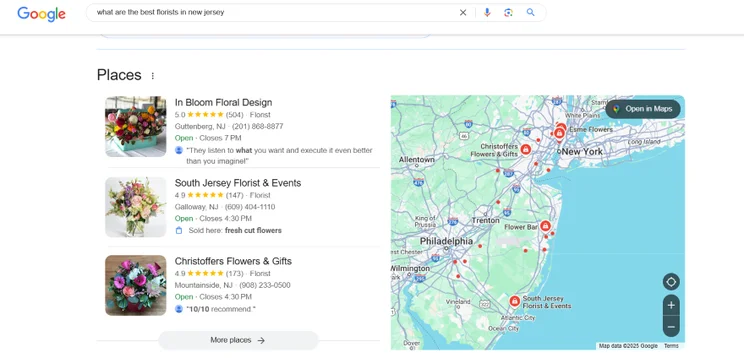
Featured snippets are often found at the top of search results pages. This is prime real estate for getting your website seen, so I do recommend using this strategy wherever possible to better target voice searchers and increase website traffic.
Technical Considerations for Voice Search Optimization
Your voice search optimization efforts won’t be successful if you’ve overlooked key technical considerations. For best results, there are three factors to consider, which I’ll run through now:
1. Add Structured Data
Structured data (also known as schema markup) is a piece of code that you add to different webpages. It helps Google better understand the meaning of each page, and see whether they’re relevant for users.
For instance, if you’re running a Tapas restaurant, this structured data can help you highlight important details to Google and its users, such as your cuisine, official star rating, accepted currencies, and accepted payment methods.
When someone uses voice search for a specific query (for example, “the best tapas restaurants in NYC”), this structured data improves Google’s ability to show the user the most relevant content based on their intent.
🤔 Are you running an online store? Find out how to use ecommerce schema markup to your advantage
2. Keep Your Website’s Performance Optimized
Websites that perform well, with fast load times and responsive pages, are more likely to appear in search results. Because of this, you need to make sure that your site can handle any increased traffic. To keep your website speedy and able to deal with increasing voice searches, remember to:
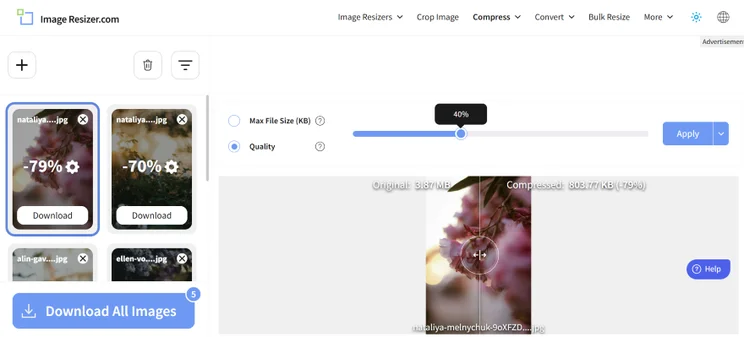
- Compress your images for better page speeds
- Reduce page bloat by removing unnecessary content from your site
- Minimize server response times by enabling browser caching
- Use SSL encryption to safeguard your site’s connection
3. Optimize Image and Video Content
If you want images, such as product photos, to appear in voice search results, you need to optimize your images. You can achieve this by using descriptive file names, adding alternative text to each image, and using image captions that accurately reflect an image’s content.
This also applies to your video content. You’ll want to use video SEO best practices, like adding transcripts, to improve the chances of your videos getting seen as well.
Voice Search Optimization: Conclusion
While you now know how to optimize for voice search, you shouldn’t stop there.
Remember, voice search is just one aspect of your SEO strategy. For effective results, make sure that your website is optimized for all of your audience’s key behaviors, whether that’s classic Google searches via keyboard, or searches on social media platforms like TikTok.


0 comments