
To put it simply, an influencer is someone in your industry who has influence over your target audience. This influence shouldn’t be underestimated – 69% of buyers trust information provided by influencers more than information from the brand itself, according to Matter Communications.
Wouldn’t it be great if you could collaborate with these influencers to grow your business online? Good news – you can! In this article, we’ll introduce you to all things influencer marketing, including how to create a targeted influencer marketing strategy that yields impressive results.
For this update, I’ve refreshed the information about influencer marketing to make it helpful and relevant in 2024. Plus, I’ve added some tips for choosing the right type of influencers for your business and for creating a strong influencer marketing strategy.
What Is Influencer Marketing?
First things first, let’s break down what influencer marketing entails.
Effectively, this is when brands use influencers to drive sales by paying them in exchange for product endorsements. It can be done in a variety of ways, either through a more obvious ad, or via techniques such as product placement.
There is a subtle difference between what’s known as “influencer advertising” and “influencer marketing.” The former is likely to be a one-off, more transactional arrangement, whereby an influencer is paid to talk about a product or service. The latter is usually more long-term and involves building an ongoing, mutually beneficial relationship between the influencer and the brand.
Good to know
It’s interesting and important to note that influencer marketing is one of the fastest-growing marketing channels. In fact, it’s tripled in size in the last five years, and industry experts estimate the sector will be worth an incredible $51.66 billion by 2030.
Read our interview with Viveca Chow to learn first-hand from an influencer
What Are the Different Types of Influencers?
If you’re thinking of working with influencers, you should understand the tier system that categorizes different types of influencer based on their follower counts: micro, macro, nano, and mega influencers:
| Mega influencers | Macro influencers | Micro influencers | Nano influencers |
| 1 million + followers | 100k – 1 million followers | 10k – 100k followers | 1k – 10k followers |
| Considered to be famous as well as hugely influential. | Depending on their niche, likely to have a mixture of broad appeal and specific influence. | Smaller followings but may have a more invested follower-influencer relationship. Read more specifically about TikTok micro influencers here | A small but highly loyal following and close relationship with their followers. |
Which Type of Influencer Should I Use?
Lucrative results aren’t always instant or guaranteed, so you need to decide on a realistic budget that your business can afford. When sourcing influencers within this budget, consider every part of the process, like potential shipping costs and whether you’ll send products free of charge.
Typically, the larger the online presence, the higher the influencer’s rates. But spending more money doesn’t always mean better results – in many cases, buyers trust smaller influencers more. Nano and micro influencers are great for small businesses on a budget and businesses that are experimenting with influencer marketing for the first time.
A great way to tell whether an influencer is right for your business is to look at their past partnerships. Have they worked with companies similar to yours before? If so, have their audiences engaged positively with these posts? They are most likely a good fit for your influencer marketing strategy if the answer to both of these questions is yes!
How to Build an Influencer Marketing Strategy
Now you have an understanding of what influencer marketing is, it’s time to jump into building a strategy. We’ve this broken down into eight steps:
#1. Start With Your Goals in Mind
The best influencer marketing strategies set out with a clear goal to drive decisions and measure success. Here is a checklist to help you set goals to guide your influencer marketing strategy:
- List your marketing goals – such as growing brand awareness, social media following or engagement, email sign ups, referrals or conversions
- Decide which ones influencers can help you achieve
- Create influencer marketing goals that will contribute to your larger marketing goals
- Decide how much budget you have to achieve your goals
- You may decide to set KPIs (key performance indicators) at this point, or you may do this later once you have shortlisted influencers. A KPI is an actual number attached to your marketing goals.
#2. Know Your Audience
Next up, take some time to consider your audience and how best to reach them. It often helps to create “pen portraits” which are short descriptions of your target customers. Some questions you might ask yourself are:
- Who do you need to reach to achieve your goals?
- Which social media platforms do they use?
- What types of content do they consume?
- Who do they follow and engage with?
- What are their key demographics?
#3. Profile Your Influencers
Based on your audience research, it’s a good idea to create influencer profiles to help you imagine your ideal influencer. You might need multiple profiles, especially if you have distinct audience groups. You will also want to define the influencer audience size you are seeking – this is likely to be determined by your budget.
To help find a perfect match you might want to consider:
- Content type
- Personality traits
- Which social platforms they are active on
- Who their audience is
#4. Develop a Management Strategy
This is an important step that considers all of the practical steps and considerations in finding and managing your influencer campaigns, for example:
- How will you find influencers?
- How will you reach out to influencers?
- Who will reach out to influencers?
- How will you brief them?
- How will you monitor influencer outputs?
- How will you collect, store and analyze data?
#5. Influencer Discovery
Your influencer strategy should contain details on exactly how you will find influencers. Organizations will often use influencer marketplaces or discovery tools to help them to do this. These are large directories whereby influencers list themselves, and you can search and filter by area of expertise, ratings, or cost. Some of the common influencer marketplaces include Tribe and Activate.
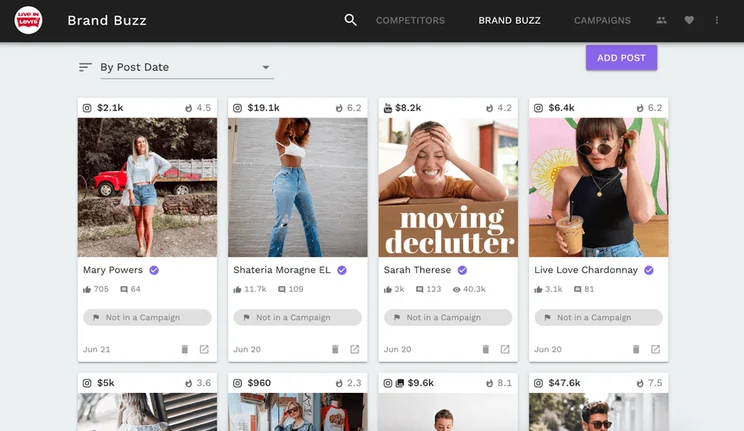
Another way to discover influencers is to explore hashtags and online communities. For example, if your target audience is yogis – take a look at the yoga hashtags on TikTok and Instagram, and see who has the most active followings.
A benefit of using directories is that you can view a large range of influencers in one place, consider their reviews, and even approach them directly.
However, finding influencers organically via hashtags and online communities might mean you find more relevant and authentic talent.
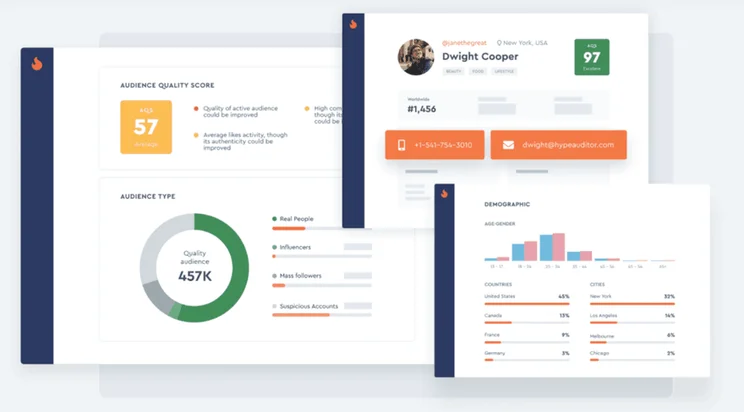
Top tipWhichever way you select your influencers, be sure to do a full audit including checking for fake followers or negative and controversial posts. Tools such as HypeAuditor and Modash can help you to understand if your influencer’s following is genuine.
#6. Influencer Outreach
First impressions make all the difference, so make sure you carefully think through the best way to reach out to your chosen influencers.
Draft a friendly and concise message which includes an introduction to you and your brand, what your key messaging points are, and be upfront about your potential budget. The main way to contact influencers is via email or DM, so be sure to write an email subject line that’ll grab your influencers’ attention!
#7. Influencer Briefing
The best influencer brief will strike a perfect balance between not restricting the influencers creativity, while also minimizing potential risks to your brand. Here are three golden rules:
1. Make it clear – outline in easy-to-understand sections your objectives, key messaging points, and vision. Be super clear how the influencer should talk about the brand, for example if there are any product names that need to be read verbatim.
2. Make it goal-oriented – set out the big picture of what you want the partnership to drive, and what specifically the action the audience should take. For example you could say: “I want your audience to be the first to try my brand’s new haircare range, so I’m providing you with an exclusive 20% discount code.”
3. Make it inspiring! Think how you can make the brief interesting and exciting, and your influencer is far more likely to produce some fun and inspiring content. For example, could you talk it through in person rather than emailing over a document? Could you include a mood board or real products?
#8. Monitoring Results
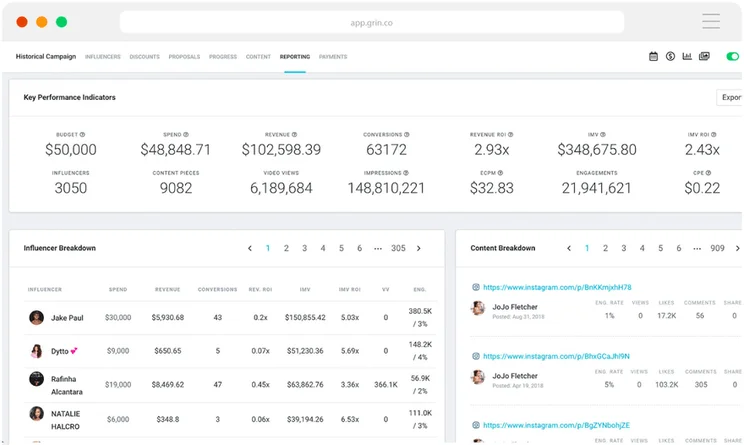
Once the campaign is live, it’s all about measuring the impact. Earlier in your strategy you will have set out your KPIs – and now is the time to refer back to these.
You can either monitor your KPIs manually or with a range of marketing tools. Monitoring KPIs such as follower counts, engagement, clicks or sales manually is possible but it’s a more laborious process and difficult to gain insights.
For social media engagement, there is a different formula depending on the platform, so take this into account when monitoring performance.
If you choose to monitor results using tools, here are some examples:
- Hootsuite – a powerful social media management platform to help understand performance of campaigns.
- Traackr – specifically designed for monitoring influencer campaigns, this platform even has benchmarking so you can compare your results against other brands.
- Pulsar – is a data-driven social media listening platform which will enable you to literally listen to your audience and understand if your influencer posts have taken off.
- Grin – an all-in-one tool that allows you to discover influencers as well as monitor the effectiveness of multiple campaigns.
A downside for smaller organizations is that many of these tools require a subscription and charge a fee. However, they can generally offer a far greater level of insights and help you monitor performance at speed. This means you are more likely to understand the impact of activity and can test and learn for the future.
Benefits of Influencer Marketing
Influencer marketing is a great idea for businesses in more ways than one! Here are six key reasons to explore this type of marketing:
- Build trust – the success of influencer marketing comes down to the authentic relationship between the influencer and audience, which means consumers perceive influencer marketing to be more trustworthy and reliable compared to more traditional “top down” marketing channels.
- Reach your target audience – it is notoriously difficult to build a social media following from the ground up, whereas influencer marketing allows you to reach an audience of your choosing that the influencer has already built.
- Make sales – research has shown that 82% of people trust social networks to guide purchasing decisions. Using clear calls to action and discount codes can help to boost your sales potential further.
- Generate brand awareness – by choosing the right types of influencers, you can help introduce your brand to audiences in an authentic way.
- Better ROI – influencer marketing has been shown to deliver 11 times better ROI compared to traditional marketing channels such as banner advertising.
- Ability to make a strong case for higher budgets – if you create a clear strategy that delivers brilliant ROI, you’ll be able to build a strong business case for bigger influencer marketing budgets!
Tips for Creating an Influencer Marketing Strategy
Before you jump right into working with your first influencer, let’s take a step back and think strategically. It’s important to create a well-considered strategy as opposed to taking a scattergun approach. Here are three key tips to achieve this:
- Focus on achieving your marketing goals – setting objectives before you start will help ensure you make sensible decisions.
- Be more competitive in attracting influencers – many influencers will be interested to see how their work with you fits into a broader business plan and vision.
- Integrate into wider marketing strategies and plans – this is incredibly important so your full marketing plan feels cohesive.
Summary
We hope you’ve enjoyed our crash course in influencer marketing, and that it’s persuaded you to experiment with this emerging marketing channel. Remember to start with a solid strategy that first considers your business goals, then your target audience, and how to choose and approach the right type of influencer. Influencer marketing is one of many customer acquisition strategies to consider. Finally, remember to carefully monitor your results, test and learn!
For more content on working with influencers, check out our guides to influencer whitelisting, and Instagram micro influencers.


1 reply