

Lars Lofgren referred to Forbes Advisor as a “parasite SEO company” in a viral article from September, but what is parasite SEO? Is it a strategy your website should replicate? Will it help to secure your website against future Google algorithm updates?
If you’ve never heard of the term before, you’ve likely seen it in action, with websites churning out an insane amount of content to skyrocket up in the rankings. Parasite SEO is a complex strategy, but I’ll explain exactly what it is and explore whether or not you should implement it below.
Parasite SEO Explained
Parasite SEO can help improve your rankings across competitive keywords by utilizing the authority and awareness of an established third-party site instead of publishing on your own site. Your site is essentially a “parasite”, harnessing the energy and power of another body.
Companies usually turn to this method to generate more revenue and traffic, especially if their own website lacks authority in the SERPs.
For example, Forbes – as pointed out by Lofgren in his article “Forbes Marketplace: The Parasite SEO Company Trying to Devour Its Host” – has used this SEO strategy to rank for pretty much any “best” list you can think of.
You benefit from the third-party site’s size and status, since Google, and other search engines, believe these sites to be trustworthy. These sites will have a large network of internal links, and users are more likely to click on a site they’ve heard of or have visited before.
But how can one site be such an expert in so many topics? Can your website face consequences by deploying a parasite SEO strategy?
Is a Parasite SEO Strategy Risky?
Parasite SEO isn’t the wisest move for a website owner to take. While it isn’t officially classed as black hat SEO, many in the SEO community frown upon the practice – and the name alone doesn’t make it sound like the best practice to follow.
By using a third-party site to boost rankings, you won’t see the success or growth on your own website. And, because you’re publishing elsewhere, you’ll have less control over the content – it could even be removed by the website owner at any point.
My advice? Avoid using parasite SEO, especially if you’re a small business owner. While a rapid increase in rankings might look appealing, Google will eventually catch on to what you’re doing or the SERPs could shift dramatically following an algorithm update. Instead, stick to the SEO basics and continue to optimize your site and content to be as helpful to readers as possible.
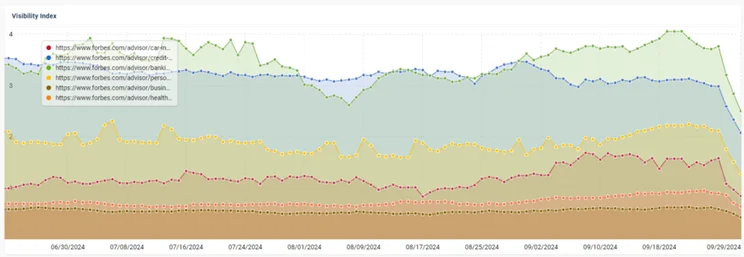
Parasite SEO isn’t always bad, but it does get a bad reputation from websites, like Forbes, that manipulate the rankings using this SEO practice. Of course, it clearly works, given Forbes’ domination in the SERPs, but Google is cracking down on sites for publishing content that goes against its site reputation abuse policy. This policy was recently updated in September 2024, and it looks like Forbes Advisor has seen a drop in rankings since.
If you want to stay up to date with the latest SEO news, take a look at our articles on the best SEO newsletters and SEO podcasts.






0 comments