

If your 2026 pricing strategy involves price hikes, you’re not alone. According to data from our recent survey, 48% of SMBs plan to raise their prices in the next six months to combat external economic challenges, from complex tariff policies and tax changes to increasing operational costs.
Though price increases often feel like a necessary evil for business survival, it’s possible to raise prices without putting off your customers, but this involves careful research, planning, and clear communication with your audience. Go through my five-step checklist first to learn how to raise prices without losing customers.
5 Things To Do Before Raising Your Prices
Complete all the steps in my five-point checklist below before you start increasing your prices.
1. Conduct Competitor Research ✅
Monitor your competitors to see how much their products or services currently cost and how often these prices have changed over time. It’s important to keep pace with your competitors, since it’ll help you understand where your business currently stands in the market and enable you to make more strategic pricing decisions.
Pricing factors to look out for during your competitor research include:
- What value do their products/services offer? (and how can you compete?)
- Are their in-store and online prices different?
- When are they most likely to change prices? (e.g., their prices might change seasonally)
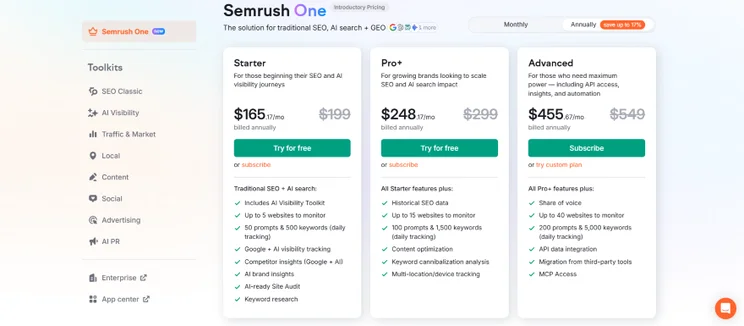
With a clearer understanding of your competitors, you can ensure that your price increase is in line with market expectations.
To conduct effective competitor research, it’s important to analyze both indirect and direct competitors to cover all bases.
- Direct competitors: Businesses that operate in your market and sell products or services that are the same or similar to your own (e.g., a business that also sells eco-friendly dog treats)
- Indirect competitors: Businesses that don’t directly operate in your market, but may sell products or services that can compete with your own (e.g., stores on online marketplaces that might sell some of your products)
2. Conduct Customer Research ✅
You should also research your customers alongside your competitors, since it’ll help you determine how much your target audience is willing to pay.
I recommend looking at historical data from previous price increases first, because you can gauge how similar changes have impacted customers in the past. Perhaps you lost significant repeat buyers, but gained new customers, or your customer acquisition costs decreased.
If you’re still a relatively new business without historical data, you can use surveys to assess what customers are looking for. This might involve asking consumers how much they’d be willing to spend for certain products, as well as the factors that influence their decision.
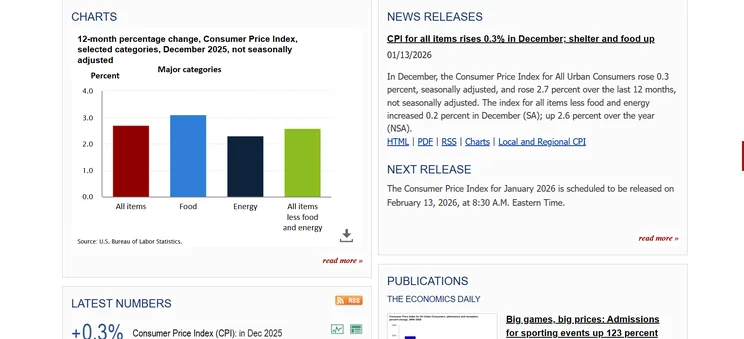
With this knowledge under your belt, you can work out what tactics to repeat and avoid during your upcoming price hike.
3. Identify Your Company’s Value ✅
One of the toughest parts of increasing your prices is being able to justify it. That’s why it’s necessary to assess the value of your business to customers and whether it justifies your increased prices. This value can be the difference between a customer choosing your goods over competitor products at a similar price point.
When assessing the unique value proposition of your products or services, you might consider:
- Convenience: Does it make your customer’s life easier?
- Ease of use: Is your offering straightforward for customers to use?
- Emotion: Does it make your customers feel good?
- Social impact: Does it align with your customers’ values? (e.g., sustainable or social causes)
Once you’ve identified your product or service’s value, remember to highlight these key selling points in your marketing, since it’ll communicate to customers why your business is worth the price.
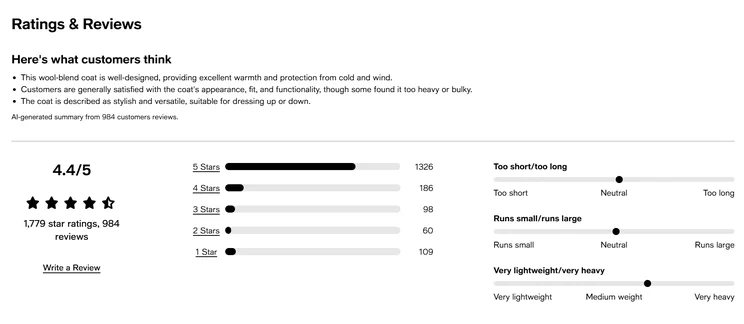
If you’re struggling to justify your price increase, you may need to try a different strategy that will add further value to your business. In our survey, we found that SMBs were justifying price increases through:
- Improved customer service that makes audiences feel valued and more likely to become repeat buyers
- Personalized email marketing to build trust, develop customer loyalty, and forge a positive relationship with audiences
4. Carefully Calculate Your Price Increase ✅
Calculating your increased prices goes beyond adding a flat percentage to your current rates. To protect your ecommerce profit margins, you must take the following economic factors into account, too:
- Industry benchmarks: Expected profit margins differ depending on the industry your business is in (e.g., what works for B2B services won’t work for retail)
- Total costs: Consider how much you’re currently spending on overhead costs, raw materials, labor, and shipping
- Current economic conditions: Your pricing also needs to reflect external economic pressures, such as inflation, sales tax rates, and consumer shopping trends
If you’re offering a service or subscription plan, you may need to increase your prices incrementally, since it gives your customers enough time to adjust to these changes. Aim to let them know 30-60 days before the increase. You could give customers a grace period, enabling them to pay your previous rates until the new costs take effect.
Want some extra insights into how SMBs are raising their prices? According to our survey:
- 39% of respondents were raising prices by 2.1-5%
- 33% of respondents were raising prices by 5.1-8%
- 11% of respondents were raising prices by 8.1-12%
- 6% of respondents were raising prices by 12% or more
5. Decide How You’ll Communicate With Customers ✅
Clear communication is a vital ingredient when making price increases. These changes mustn’t be an unwelcome surprise to your customers, so spend adequate time crafting a transparent, professional message for them.
When announcing a price increase, try to highlight the value that these price increases will add to your business, rather than dwelling on obstacles like inflation or increased operational costs.
Your price raise notice might sound like this:
At Happy Smiles Dentistry, our team is committed to providing you with attentive customer service, a wide range of treatments, and the highest standards of dental care.
To account for rising staff and overhead costs in 2026, we’re adjusting our current rates from 06/07/26. Because we believe in complete transparency with our patients, you can peruse our upcoming treatment prices on our website (link in bio) or by talking to our receptionists at the front desk.
Thank you for your continued loyalty, and we hope to see you very soon. 🦷
What Comes Next?
The work doesn’t end once you’ve researched, planned, and implemented your price increase – you will still need a way to measure your success. So, come up with Key Performance Indicators (KPIs) to track that reflect your business’ overarching goals. This might include:
- Gross profit margin: The revenue percentage remaining once you’ve deducted the costs of goods sold
- Sales volume: The raw number of units you’re selling (this may dip at first)
- Customer retention: How many customers continue to purchase from your business after the price increase
- Your conversion rate: How many leads become paying customers
By keeping a close eye on these KPIs, you can make sure that your price hikes aren’t damaging your business profits, giving you the chance to adapt your pricing strategy if needed.
🤔 So, will your business also be increasing your prices in the next six months? Share your experiences in the comments below. We’d love to hear about your challenges and how you’ve overcome them in spite of this rocky economic climate.






0 comments