
You can make a lot of money using social media as a business in 2026. But with each platform offering unique rewards schemes and monetization methods, it’s important you commit to growing the right channel.
I’ll discuss the most profitable social media platforms, break down their revenue streams, and provide tips on choosing the right option for your business.
- YouTube videos pull in views long after upload, meaning high value evergreen content can create a long-term income stream
- TikTok and Instagram’s low monetization requirements and viral algorithms make them the quickest platforms to monetize
- To find the most profitable platform, consider your audience demographics, your content style, and platform monetization requirements
- Fan gifting and bonus schemes are best for fast payouts, whereas ad revenue and subscriptions provide a stable and recurring income
- Monetization status isn’t permanent, so it’s important to keep within minimum follower count and performance thresholds
Which Social Media Platform Pays the Most?
YouTube is considered the most lucrative social media platform in the long-term, thanks to its diverse revenue streams, long video shelf life, and generous ad revenue sharing.
However, it’s impossible to give a clear cut answer on the most profitable social media platforms, since payout from revenue share and reward programs are decided case-by-case, depending on factors such as your location, sector, content, and content performance.
Here are the top paying social media platforms:
YouTube Monetization
- Ad revenue: Earn from ads shown on your videos
- YouTube Premium revenue: Get paid when YouTube Premium members view your videos
- YouTube Shopping: Sell products on your channel and affiliate channels
- Channel memberships: Users pay you a recurring monthly free for exclusive content, such as videos and badges
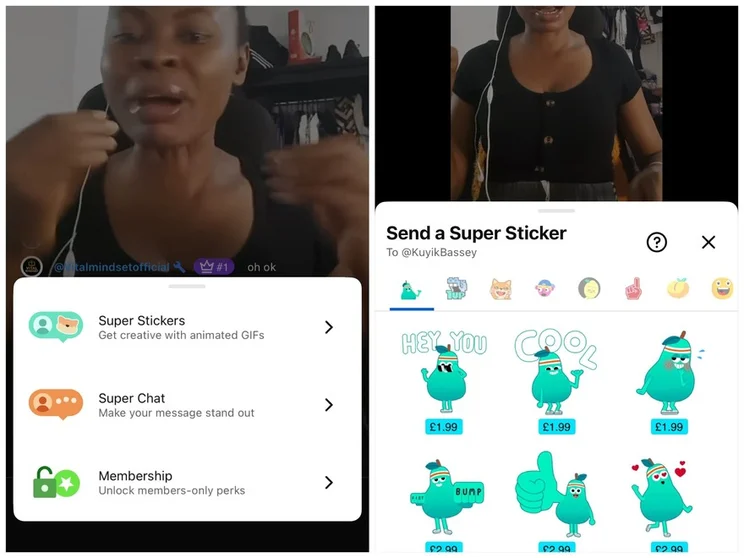
- Livestream and Premiere monetization: Viewers can buy Super Chat (bold in-chat messages), and Super Thanks (Stickers (in-chat stickers)
- Sponsored content: Use BrandConnect to find brands to partner with on paid content campaigns
Monetization is unlocked upon joining the YouTube Partner Program (YPP). 500 followers allows you to earn from Supers, memberships, and YouTube Shopping, but you’ll need 1,000 subscribers to receive revenue from ads and YouTube Premium views.
Top Tip 💡Even with the required subscribers, YouTube will revoke your monetization status if you fail to maintain three videos uploads within the last 90 days and high enough Shorts views or watch hours over the year.
TikTok Monetization
- Creator Rewards Program: get paid per 1,000 views on videos over one minute
- TikTok Shop: Sell products in-app through videos, livestreams, and TikTok Shop storefronts
- Subscriptions: Users pay a monthly fee in return for exclusive content, such as posts, badges, and stickers
- Livestream monetization: Viewers can buy creators virtual gifts while watching livestreams
- Sponsored content: Use TikTok One to find brands willing to pay for sponsored content
TikTok’s viral algorithm and diverse For You Page are great at spreading the word about products. And with seamless shoppable link integration making it possible for video viewers to purchase your products within seconds, TikTok is one of the most effective platforms for social commerce.
Instagram Monetization
- Reel monetization: Be gifted Stars (one star = $0.01) on Reels
- Livestream monetization: Receive Badges (virtual gifts worth $0.99, $1.99, or $4.99) from livestream viewers
- Subscriptions: Receive a monthly payment in return for providing subscriber only content and perks
- Bonuses: Earn extra money on either public Reels or photo posts for limited periods throughout the year, and receive up to $5,000 during your first 90 days of joining with the Breakthrough Bonus Program
- Sponsored content: Use Creator Marketplace to connect with other brands that pay for content
Good To Know 💡Meta cracked down on its monetization policies last year, stopping Instagram and Facebook users from earning money on “unoriginal content”
Facebook Monetization
- Content Monetization Program: Get paid based on performance of reels, photos, stories, and text posts
- Subscriptions: Earn recurring monthly payments in return for exclusive content and benefits, such as discounts and group chats
- Breakthrough Bonus Program: Facebook offers the same new user incentive as Instagram
Facebook monetization changed in August 2025 when the social media company merged in-stream ads, Ads on Reels, and Performance Bonus Program into a single Content Monetization Program.
Snapchat Monetization
- Snapchat Monetization Program: Earn from ads between public stories and Spotlight posts
- Brand partnerships: To help find sponsored content opportunities, Snapchat has a brand partnerships toggle that automatically shares your profile analytics with third parties
To be invited to Snapchat’s monetization program, you must have 50,000 followers as well as either 10 million Snap views, one million Spotlight views, or 12,000 hours of view time in the last 28 days. Learn how to grow your business on Snapchat here.
The Difference Between Direct and Indirect Monetization
Direct monetization occurs when your audience pays you on social media, whereas indirect monetization means you’re earning money from other sources because of your audience.
The main examples of direct monetization on social media are:
- Tips and gifting
- Subscriptions
- Ad revenue
- Creator funds
- Selling products directly on the platform
On the other hand, you can indirectly monetization your channel through:
- Brand partnerships
- Affiliate marketing
- Generating traffic and sales to your website
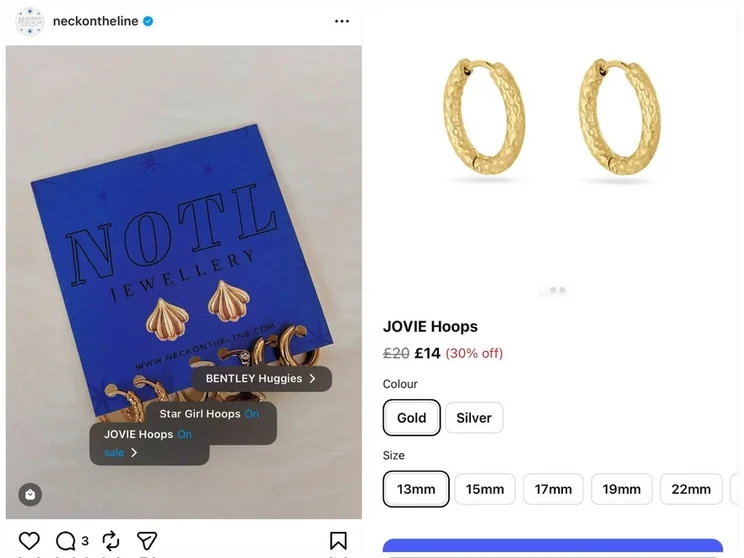
Finding a platform with tools to support indirect monetization, such as TikTok One or YouTube BrandConnect, will help you grow brand awareness beyond your social media accounts and reduce reliance on your social platform for payment.
Best Ways To Make Money on Social Media
There are a range of ways to make money on social media, from showing ads on your content to selling your products within the app. Here are the most popular ways:
- Ad revenue: Place ads in your video and get paid per thousand views the video receives (CPM). Disruptive ads affect your user experience, so be mindful of where and how often they appear. The CPM also changes for different niches, so finance and business content receiving the high views will benefit the most from this method.
- Subscriptions: These give you a stable monthly recurring income from social media. However, subscriptions require constant work to maintain, since you’ll need to provide high value content to your members, on top of your regular channel posts.
- Fan funding: Fans show their support for your content in the form of virtual “gifts” which can be received instantly. These are most common in livestreams, although Instagram also supports reel gifts. Brands with a close-knit community that they interact with directly will be most likely to receive gifts.
- Selling products: Social commerce platforms, such as TikTok, YouTube, and Facebook, allow you to sell products directly in the apps. This is best for dropshippers and ecommerce brands willing to work with affiliates to promote their products.
How To Choose the Right Platform for Your Business in 2026
The most lucrative social media platform for your business will depend on your target audience, business model, the type of content you make, and the size of your audience.
Here are the top things to consider:
1. Who is Your Target Audience?
Generally, younger crowds prefer TikTok and Snapchat, while Facebook is popular among millennials. If you sell products or services to other businesses, such as software or marketing, your customers are more likely to be found on LinkedIn.
The most accurate way to find your target audience on social media is to research the demographics for each platform, including identifying which is most popular for your industry. This will help you grow your platforms to the minimum monetization requirements.
2. How Established Are You Online?
If you’re new to social media and want to start earning as soon as possible, Instagram and TikTok’s monetization features have the lowest barriers to entry. For instance, you can start earning gifts with only 500 Instagram followers (for Star gifts on Reels) or 1,000 TikTok followers (livestream gifts).
YouTube allows monetization through memberships, Supers (fan gifting), and YouTube Shopping with as little as 1,000 subscribers, although YouTube’s algorithm often slows reaching this compared to platforms like TikTok and Instagram. Earning ad revenue requires a higher threshold of 1,000 subscribers.
On the other end of the spectrum, Snapchat won’t allow entry into its Monetization Program with less than 50,000 followers.
3. What’s Your Content Style?
Some social media platforms pay better for certain types of content than others. For example, if you like to interact with your audience in real time, YouTube and TikTok offer the widest variety of live gifting features to help you earn while live.
However, Instagram and Pinterest are the best social media platforms for artists and creatives with a focus on aesthetics, since they have highly visual layouts and you can create shoppable posts.
Final Verdict: So, Which Platform Pays the Most?
YouTube’s diverse revenue streams and competitive CPM makes it the highest paying social media platform, although TikTok and Instagram are close behind. However, these won’t always be the right choice for monetization. That depends entirely on the type of content you’re creating and the audience you’re creating it for.
Ultimately, the highest paying social media platforms for your business will be those that provide room for you to grow an engaged audience while offering monetization avenues that suit your content and needs.
Once you’ve identified the platform you want to monetize, it’s time to create a social media strategy. This will help you stay consistent with posting, grow your account, and rake in the dollar!


0 comments