
With traditional education fees continuing to rise, online learning is becoming increasingly popular as a way to grow your skill set, further your career, and improve your life. But it isn’t just cost that plays a factor in the massive rise in popularity of online learning. With more of us working and living remotely, online courses provide a convenient way to boost our knowledge and grow our job prospects – wherever we are in the world!
In this article, we’re going to explore how you can create and sell online courses using Shopify’s ecommerce platform.
Why Create an Online Course?
Online courses have broken down the barriers to entry for those who want to share their knowledge with others. With the right course and the right marketing, you can reach huge audiences, and help them learn directly from you.
Due to the popularity of online courses, they can also be very lucrative. The scale of selling online courses is practically unlimited. This, of course, is because they usually only require a financial and/or time investment up front, with little or no cost for selling the course on again as many times as you like.
Ways of Selling Courses on Shopify
There are two main ways of selling your courses online:
- Selling access to site content
- Working with a third-party course management provider
Each has several pros and cons, and the option which is right for you will depend on your individual circumstances and goals. Let’s explore both of these avenues in more detail below:
Sell Via Restricted Access
Selling access to site content is by far the easiest way to monetize your courses with Shopify. You can do this by creating pages and blog posts – both of which can contain videos and audio files. You can then sell customers’ membership to access this content.
Although this method does offer limited functionality, you can leverage external tools to help create a more comprehensive course experience. For example, you may use Skype or Zoom for one-to-one sessions, or platforms such as SurveyMonkey so students can take tests and quizzes.
Pros of this method include:
- It’s easy to create, and relatively cheap
- It’s a simple way to test out your course’s popularity before investing more heavily in the content
- It’ll be simple to edit and update
Cons of this method include:
- You’re stuck with quite limited functionality
- You’ll remain entirely responsible for driving traffic and marketing the course
- It’s more difficult to sell multiple courses to different customers
- You’ll need to use external platforms to support course content
Creating an online course using this method is simple:
- Create a Shopify store (if you don’t have one already)
- Create your course content
- Upload your course content to pages/blogs on your website
- Place the course content within a members area
- Charge customers to become members in order to access the course material
Partner With Third-Party Course Management Providers
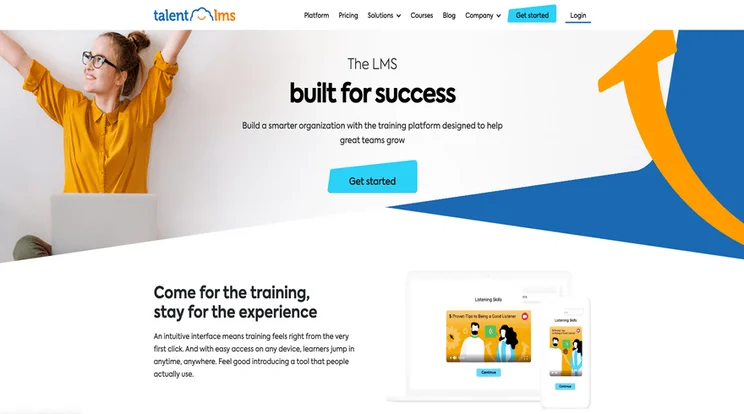
Third-party course managers offer smart and advanced ways to sell your courses on Shopify. Some of these can be found within the Shopify App Store, but others are available externally, and can be plugged directly into your Shopify store.
Here are some popular third-party course managers (otherwise known as Learning Management Systems, or LMS) that can be used to sell courses on Shopify:
- Avizr (starts at $39 per month)
- TalentLMS (free version, then starts at $59 per month)
- Thinkific (free version, then starts at $39 per month)
- LearnWorlds (starts at $29 per month)
These platforms typically work as a ‘host’ for your course, providing you with advanced functionality such as automatic video transcription, the ability to add interactive elements to your videos, and advanced analytics on how learners are using your courses. They’ll also facilitate the smooth delivery of your courses across various different devices: including laptops, mobile phones, and tablets.
Once you’ve created your course with your chosen Learning Management System, you can usually opt to connect your course to your store as a product. Arguably, this offers a much smoother experience for your customers than the paid access option does.
Other Options for Selling Courses Online
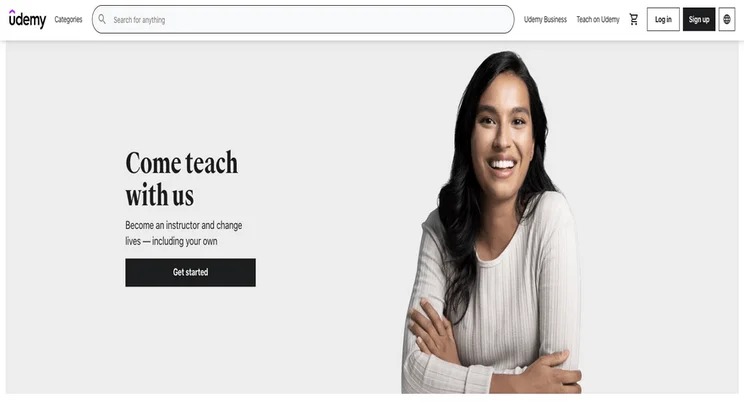
There are several further options available to you when it comes to creating and selling courses online. For example, there are countless websites dedicated to hosting courses – such as Udemy and Skillshare – which can be used independently of an online store platform such as Shopify.
You may also want to explore other ecommerce platforms – such as WordPress or Wix – as each offers its own unique solutions to selling courses online. You can even sell digital downloads via platforms such as Etsy.
Below, we’ve outlined the pros and cons of using Shopify to help you understand whether it’s really the best option for you.
Pros & Cons of Selling Courses on Shopify
Pros of Using Shopify:
- Multiple options for course creation/selling depending on your goals
- Offers a low-cost option to test concepts
- Provides an opportunity to drastically lower the cost of selling courses
- Lets you host your course on a powerful selling platform
- Offers multiple built-in tools to help you market your course
- Helps you build a brand around your course, which you’ll own 100% of
- Leverages specialist help to improve your site
- Site analytics help assess the popularity of your course, and the pages it consists of
Cons of Using Shopify:
- You’ll remain entirely responsible for marketing and selling your course
- You’ll have to build and populate an entire website around your course (if you don’t have one already)
- You may need to pay ongoing costs to external Learning Management System (LMS) provider
- Courses built on Shopify don’t offer the advanced functionality of an LMS
- Courses built on Shopify don’t offer the enhanced analytics tools of an LMS
- The ongoing Shopify costs associated with hosting your shop on Shopify can be prohibitive
Selling Online Courses with Shopify: Summary
Creating and selling a course can be incredibly lucrative. With the rise in popularity of online learning, there are now countless ways to monetize your courses online. Which option is right for you, however, will depend largely on your individual needs and goals.
Shopify offers two excellent routes for those looking to sell their knowledge to others.
Restricted access can be a low-cost way to get started with selling online courses, and is the perfect way to test the potential popularity of your course idea. Once you’re confident that a market for your course exists, moving on to using an LMS will provide you with all the additional functionality you need to create highly engaging, interactive, and – ultimately – profitable courses. Good luck!


0 comments