
- What Does Out of Stock Mean?
- What Causes Products To Be Out of Stock?
- How Does Out of Stock Impact a Business?
- How To Deal With Out of Stock
- 1 - Be Clear if the Product Is Being Restocked
- 2 - Provide Alternative Options
- 3 - Set Up Back in Stock Notifications
- 4 - Offer Pre-Orders
- 5 - Remove Permanently Out of Stock Items
- How to Handle Out of Stock: Summary
Dealing with out of stock items is a frustrating, but necessary, part of managing ecommerce inventory for your online store.
It’s easy to see items being out of stock as negative. After all, you’re potentially losing out on a sale and may not be able to offer your customers exactly what they’re looking for. Yet, when you take the right approach, these issues can largely be mitigated and even turned into opportunities.
In this article, we help you get to grips with the best ways to handle out of stock products for your online store.
What Does Out of Stock Mean?
The term “out of stock” is much as it sounds – it refers to an item or product which is no longer available to purchase or is temporarily unavailable from a store.
Out of stock items can occur both in physical and online stores, although how you approach the situation will be very different between the two. In this article, we’ll be focusing on the best approach for online stores only.
When an item is marked as “out of stock”, this means that the inventory of that item is depleted. In other words, the online store cannot fulfill any new orders for the item until it receives new stock.
What Causes Products To Be Out of Stock?
Several reasons may lead to items being out of stock, including:
- Unexpected growth in popularity for an existing product
- Unforeseen popularity of a new product
- Unexpected bulk order of a product
- Poor inventory management
- Limited stock storage space
- Purposeful limitation of stock (to drive a sense of rarity of the product)
- Supply chain issues or disruption
- Component shortages
How Does Out of Stock Impact a Business?
Stock shortages can harm businesses and result in long-term damage, including:
- Lost sales and revenue
- Customer frustration and loss of trust
- Drop in customer satisfaction
- Damage to brand reputation
- Reduction in customer lifetime value
- Wasted marketing budget (advertising a product that isn’t available)
- Internal disruption (having to deal with restocking items)
- Customer service issues (having to explain the status of the stock)
- Loss of custom to competitors (that can meet the customer’s needs)
- Potential strain on supply relationships
How To Deal With Out of Stock
So, it’s clear that letting products go out of stock can cause issues. But what are the best ways to address this?
In this section, we break down five ways your business can handle out of stock products to help minimize any negative impact:
1 – Be Clear if the Product Is Being Restocked
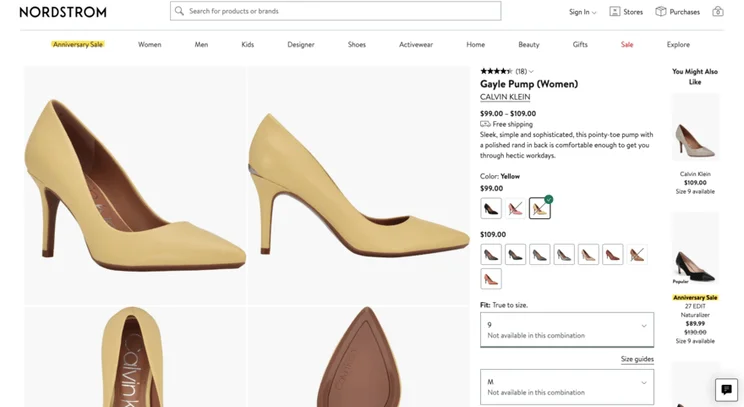
One of the biggest customer frustrations with finding an “out of stock” message is being left in the dark about whether they’ll ever be able to buy that product from you again.
Thankfully, there’s a simple fix to this issue, although a huge number of online stores fail to follow this tip.
All you need to do is include a note to say whether you plan on restocking the item or not. And, if possible, specify when that item should be available to buy again.
Just taking this simple action will reassure customers that you’re doing everything you can to get them the products they want and need. It’ll also encourage them to check your website regularly to see when the item is available.
2 – Provide Alternative Options
Imagine this: you have a big BBQ coming up, but you don’t have the utensils you need. So, you go online to your favorite kitchenware store to order some you’ve had your eye on… only to find that they’re out of stock.
What do you do?
Most people would navigate away from the store, go to a competitor, and purchase the product elsewhere.
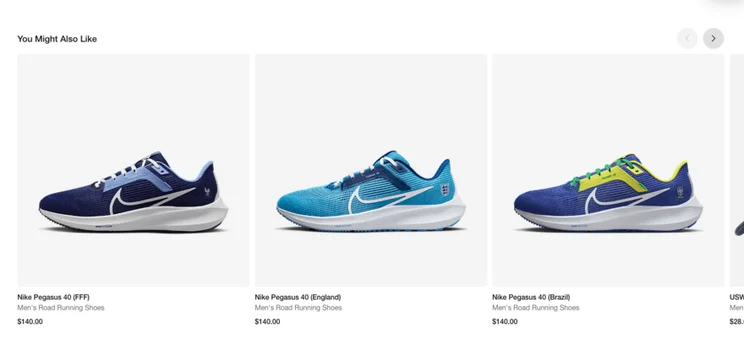
But what if, when you found that the utensils were out of stock, you were offered several suitable alternatives right on the product page?
Offering relevant alternatives when a product is out of stock is a great way to turn a potential loss of custom into a sale. Do it right and you might even be able to upsell the customer to a more expensive product so you can generate more profit.
3 – Set Up Back in Stock Notifications
Setting up back in stock alerts can be a great way to drive interested customers back to your website once products are available to buy again. Without this step, there’s no way of knowing if a customer will revisit your website when items have been restocked.
This can be a smart way to boost sales as soon as an item is back in your inventory.
Many website builders make it easy to set up back in stock notifications through the use of built-in tools or add-ons.
4 – Offer Pre-Orders
Another way to increase sales, even when a product is out of stock, is to offer pre-orders. This allows customers to pay for a product early and they’ll receive it as soon as it’s restocked.
This can also be a good way to better plan and manage your inventory requirements.
5 – Remove Permanently Out of Stock Items
If there’s no chance that you’ll ever restock a product once it has sold out, then there’s no real benefit to keeping it on your website. If you do, it could have a negative impact on your brand.
However, if there is a small chance to restock an item then removing it from your website should be done with caution. Other approaches (such as setting up back in stock notifications) may reveal growth in demand for the product, making restocking worthwhile.
How to Handle Out of Stock: Summary
Out of stock items can be frustrating, both for the shopper (who wants to buy the item) and the seller (who wants to make a profit from the sale). Taking the right approach to out of stock products is crucial in limiting frustration and driving future sales.
Simply taking the time to communicate clearly about the products that are no longer in stock will go a long way to limiting frustration. And offering a solution, such as stock notifications or suitable alternatives, will help drive future sales.


0 comments