
Driving visitors to your ecommerce store – and then converting them into customers – is always a hard task. And, with more ecommerce competition than ever before, it’s only getting harder.
Marketing and advertising budgets are often stretched to get the best possible results – but one thing that can yield a good ROI is affiliate marketing.
If you’ve got a Shopify store already set up – or you’re thinking about building one soon – affiliate marketing can be a great way to drive the right kind of traffic to your website.
So read on, and I’ll unpack everything you need to know about setting up an affiliate program for your Shopify store!
What is Affiliate Marketing?
Affiliate marketing is a rewards-based system that encourages chosen partners to promote your store and products to their audience. In exchange for this promotion, your partners will earn a commission.
Partners – who can be anyone from publications and influencers to fellow industry marketers – will be able to set up their own referral link to your website.
This allows you to track the success of their referrals, and – for each purchase made off the back of clicking on their referral link – a partner will earn a small commission on the sale.
While you’ll be able to grow and make money with affiliate marketing, I wouldn’t recommend it be integrated into every brand’s strategy. Offering commission will eat into your earnings, so if you’re just starting out or have small profit margins, it won’t be feasible until you grow.
This said, if your business can justify the expense, utilizing affiliate programs for your Shopify store will drive traffic and sales to your website, all while building a network of partners that are rewarded for helping you grow – it’s a win-win! Here’s how to do it:
#1. Select Your Products
The first thing you need to do is decide which of your products you want to include in your affiliate program – not all products will be a good fit. When selecting affiliate marketing products for Shopify, you’ll want to think about what will attract your potential partners.
Firstly, it’s important to pick trending products that your partners will be able to easily sell to their audiences. Some of the most effective products for affiliate programs are within fashion, beauty, technology, pet care, and sporting industries because these sectors have large online audiences, and lots of products within them are easy to sell virtually. For example, a simple social media post showing a partner wearing a clothing item or using a beauty product can equate to sales, which makes affiliate programs in these areas attractive for influencers.
Secondly, you should make sure these products encourage a high AOV (average order value). They could be the kind of products customers want to buy multiples of, or your most expensive products. After all, a 5% commission on a £100 product is much more appealing to a partner than a 5% commission on a £10 product.
You can tweak which products you feature in your program as you progress based on sales and success rates – so don’t worry too much if you’re not 100% sure which ones you want to include right now.
#2. Decide On Your Commission Rates
After picking your products, you’ll have to decide how much to pay your partners for each sale they make.
There are various ways you can set your commission rates. The most common are:
Percentage Commission
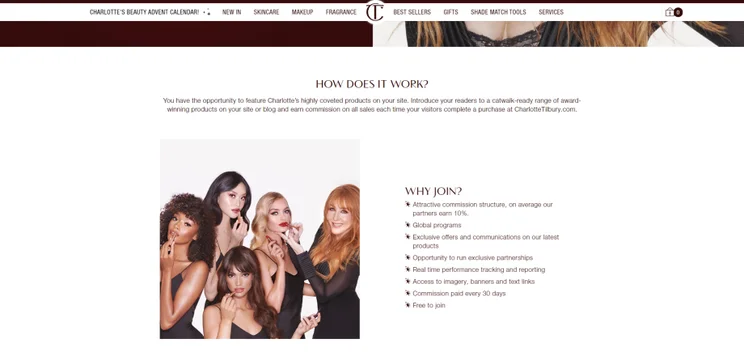
You’ll choose a set percentage of the price of the item, such as 8%. This is particularly useful for motivating partners to secure high sales, because their commission will increase with their referrals’ order value.
Example: Charlotte Tilbury gives 10% commission for every order.
Flat-Rate Commission
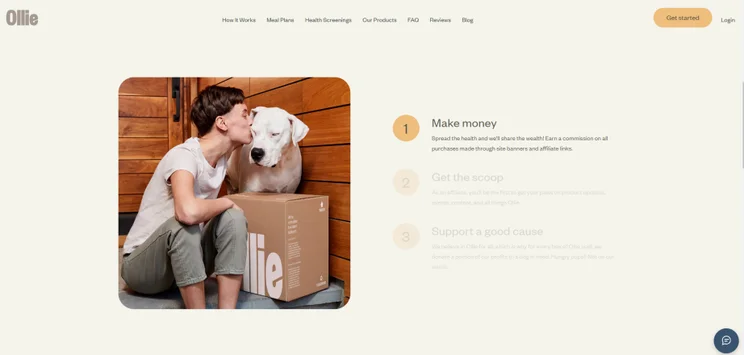
You’ll set an exact monetary amount to be paid for every sale, no matter the value of the basket, such as $5 per sale. This method offers the most stability and transparency for sellers. They can easily break down what they’ll be earning, regardless of sales or price drops.
Example: Ollie offers partners a flat $60 for every purchase made through its affiliate link.
Tiered Commission
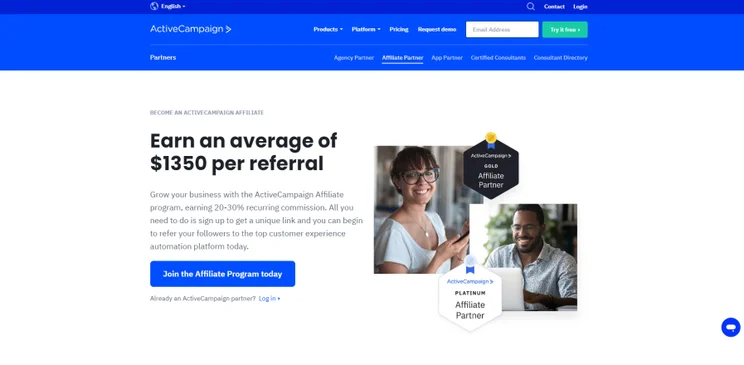
Your set commission will increase depending on the performance of your affiliates. This technique attracts high performing affiliates that achieve consistent results.
Example: Active Campaign’s tiered commission ranges between 20% and 30% based on the amount of customers their affiliates refer and how long new customers stay subscribed.
Your commission rates for affiliate programs should be high enough to attract influencers, but not so high as to jeopardize your profit margin. The average ranges between 5% and 30%, but your rates will depend on your industry, the amount of competition, and your profit margins.
Hone this number down by doing some competitor research. The commission rates set by businesses similar to yours can offer a more accurate representation of what you should be offering.
#3. Choose an Affiliate Management App
There are a lot of moving parts in an affiliate marketing process, and as your affiliate network grows, it will quickly become difficult to keep track of it all. Luckily, there are multiple affiliate marketing apps available in the Shopify app store that are designed to streamline your setup, onboarding, and management processes.
Below, I’ve listed some popular examples that will integrate with your Shopify account seamlessly.
UpPromote
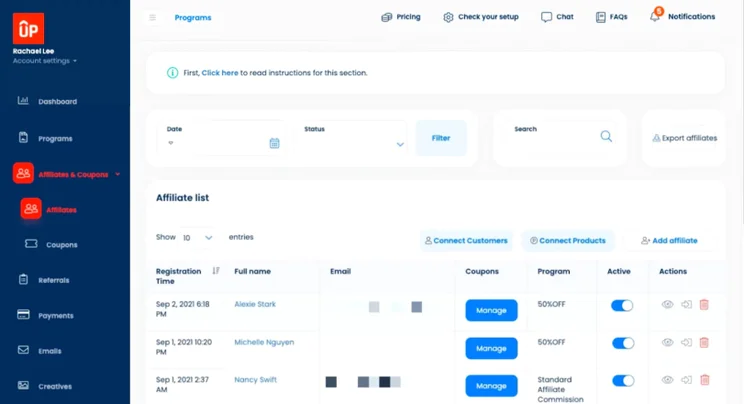
UpPromote is the top-rated affiliate marketing app in the Shopify app store. From within the app, you can create custom commission rates, as well as find more affiliate partners for your store.
Price:
- Free plan
- Paid plans start at $29.99 per month
- 14-day free trial
Key features:
- Chat with affiliates in-app
- Dynamic, automated commission structures
- UpPromote Affiliate Marketplace, which can be used to grow your affiliate network
- Robust tracking
LeadDyno
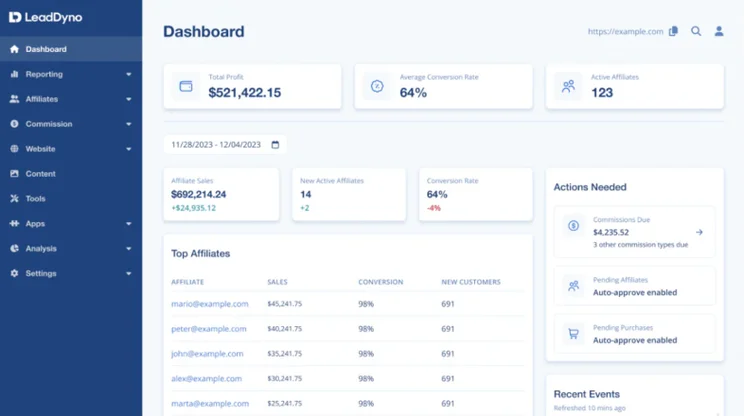
LeadDyno fully integrates with your Shopify store, and offers a personalized dashboard for each affiliate partner. From here, you can track the success of their referral links, and – in just a few clicks – engage, track, and pay your affiliate partners.
Price:
- Plans start at $49 per month
- 30-day free trial available
Key features:
- Dashboards for each individual affiliate
- Social media tracking
- Thorough affiliate reporting and analysis
Refersion
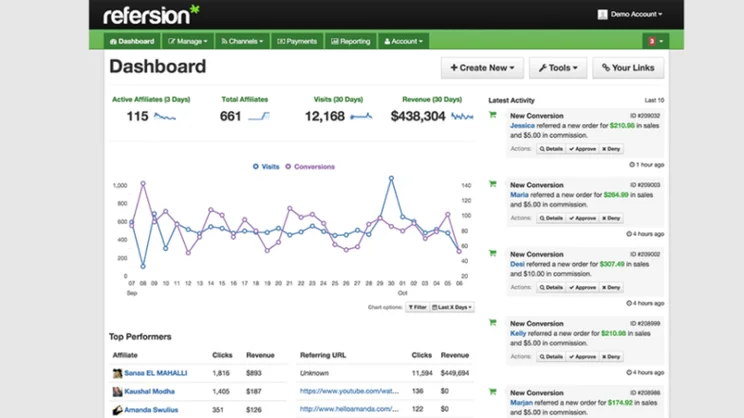
Not only does Refersion let you track and pay your affiliate partners, but it also gives you access to over 5,000 potential partners. This makes it super easy to find new affiliates and influencers for your Shopify store.
Price:
- Plans start at $119 per month
- 14-day free trial
Key features:
- Detailed dashboard to track affiliate performance
- Refersion Marketplace where affiliates can see your offers
- Brand registration and post-checkout page integrations
Top Tip: You should choose an affiliate management app that allows you to communicate with and pay your partners, as well as track and analyze their sales.
#4. Source Your Affiliates
You now have the important task of finding partners to help you set your plan in motion.
You should consider the types of affiliate partners that you’re reaching out to; some will be more suited to your brand than others. For example, a social media influencer will help spread the word about a trending beauty product quickly, whereas a blogger or review website will be more effective at creating long form content; this is particularly useful for more expensive or technical products that customers will want more information on before purchasing.
As well as this, your partners need to be relevant to your brand’s niche and products, as well as have an engaged and substantial audience. After all, it’s no use selecting a partner who doesn’t even have an audience to refer to you!
Now you know the types of affiliates you’d like to connect with, you need to source them. Some of the most common places to find affiliate marketing partners include:
Affiliate Management Apps
Many of the above affiliate management apps on Shopify have inbuilt marketplaces. These are great places to advertise your offerings to a large audience of partners.
Affiliate Websites
Similarly, affiliate network websites have a host of affiliate partners ready and waiting to sign up to your program. The entry requirements are usually pretty simple, and – once you’ve signed up – you’ll be able to invite affiliates and influencers from various different platforms to join your program.
Social Media
Announcing your affiliate program on your social media channels is a great way to drum up interest in your program. Invite your followers to learn more about your program (we recommend creating a dedicated page on your website full of information about it) and encourage them to apply.
Email Marketing
If you already have an email list set up, make sure you use it when trying to source affiliate partners. Send out an email explaining the program, how it works, what the commission rate is, and the type of people you’re looking to recruit.
#5. Monitor Your Affiliate Progress
As with any element of your marketing strategy, you’ll want to keep a close eye on your affiliate marketing program’s performance and measure its success.
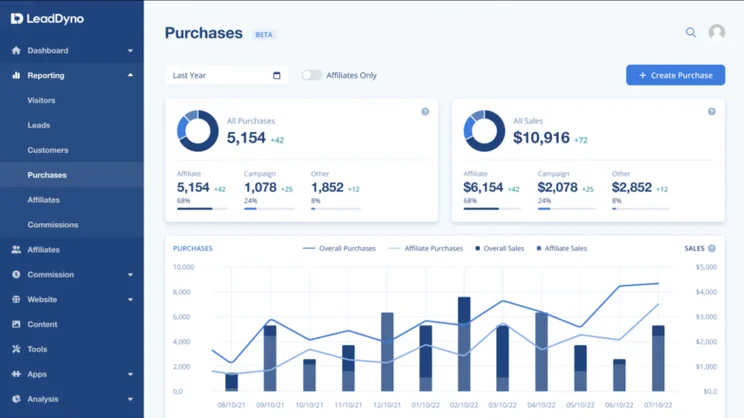
Luckily for you, this can all be done within a decent affiliate marketing app like those I’ve mentioned in step three – you just have to know which metrics to keep an eye on! These include:
- Total sales
- Sales per referral link
- Average order size per referral
- Total number of affiliate partners
- Number of affiliate partners who have left the program
- Payout-to-sales ratio
Pros and Cons of Setting up an Affiliate Marketing Program
Pros
✔️ Zero startup fees: You won’t have to worry about making any payments before your affiliates bring in sales.
✔️ Referrals act as valuable word-of-mouth marketing: Your affiliates’ audiences will trust their word on your product much more than any paid ad they come across.
✔️ They introduce your brand to new audiences: Each affiliate within your program will have an audience of people who may not have considered or even come across your brand previously!
✔️ Affiliate partners offer your brand credibility: Choosing honest, trusted partners that fit with your brand will gain you respect from both customers and competitors within your field.
Cons
❌ Seeing noticeable results will take time and effort: You’ll need to source, grow, nurture, and maintain a strong network of affiliates, and then wait for them to bring in sales.
❌ It’s an unstable money-making tactic: Affiliates can leave your program at any time if they aren’t seeing the kind of rewards they expected. Because of this, it’s important not to put all your eggs in one basket.
❌ Affiliate payments can eat into your budget considerably if you haven’t calculated your commission rate correctly, especially for smaller businesses: Make sure you keep track of how your programs are affecting your bottom line. If you’re unsure, consider a flat rate fee to calculate this neatly.
Summary
If you have the budget to spare, setting up an affiliate program for your Shopify store can be a great way to drive traffic to your website, and convert engaged users into paying customers.
You’ll be able to set one up in just five steps, but it’s important that you choose your partners and commission rates carefully – what works will be unique to your brand’s niche and goals.
If you take care, I’m confident that you’ll be able to grow a strong affiliate program and start reaping the rewards for both your profit and reputation!


1 reply
1 reply